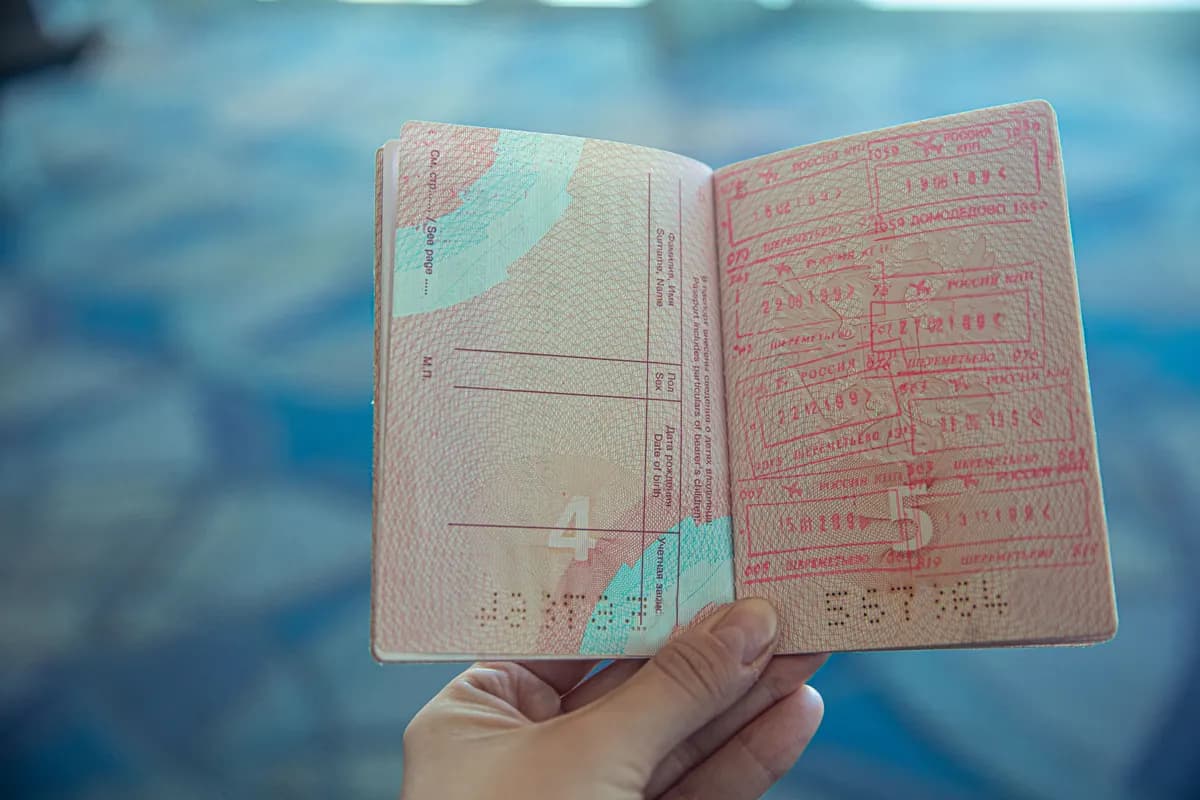
What travel history actually contributes
Previous travel that was undertaken as described — entered, stayed within the permitted period, left — is a straightforward record of someone doing what they said they would. That is genuinely useful context. What it is not is a qualification, a score, or an entitlement. Applications are assessed on overall circumstances, and history is one element among several.
Equally, having little or no travel history is ordinary. Many first-time applicants are simply people who have not needed to travel before. It is not a deficiency to be compensated for.
Declare history accurately, including the awkward parts
Application forms commonly ask about previous visas, previous refusals, and previous travel. These questions should be answered completely and accurately, including where the answer is unhelpful to you. A declared refusal is a fact that can be explained. An undeclared one that later surfaces is a credibility problem, and credibility problems are considerably harder to recover from than the original refusal was.
Consistency across separate applications
People apply to different countries at different times, often years apart, usually filling in each form from memory. Details drift — an employment start date, a previous address, the exact purpose of an old trip. Where those details are checkable, drift reads as inconsistency even when it is only imprecision.
The practical protection is record-keeping. Retain a copy of every application you submit and what you declared in it. When the next one comes around, work from the record rather than from recollection.
Explaining gaps and irregularities
Real lives contain gaps — periods between jobs, time spent caring for family, a business that closed, a year of study. None of these are problems in themselves. They become problems only when they sit unexplained in a file, because an unexplained gap is an open question and open questions get resolved conservatively.
- A period without employment — say what you were doing and how you were supported
- A change of career or country — a sentence of context costs nothing
- An overstay or refusal in the past — declare it and explain the circumstances
- Income from multiple or irregular sources — document each and show the pattern
Consistency within the current application
The same principle operates inside a single submission: the form, the supporting documents, and anything you say in person should all describe the same situation. For destinations involving an interview, this is particularly worth attention — our guide to preparing for a U.S. visitor visa interview covers how that plays out in practice.
The short version
Declare everything accurately, keep records of what you declared, and explain anything unusual before you are asked about it. None of this improves your odds in any way anyone can quantify — but it removes the avoidable reasons an application becomes harder than it needed to be.