What the interview is actually like
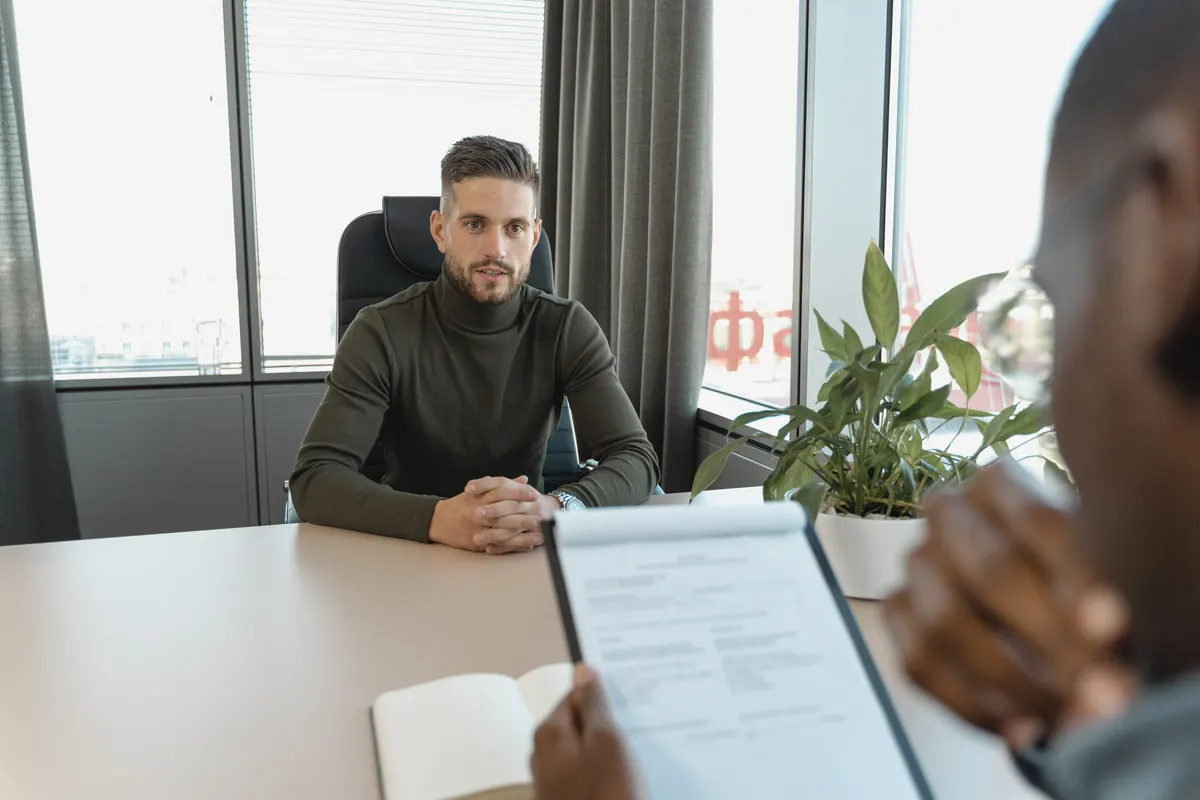
Most B1/B2 interviews are brief — often only a few minutes at the window. The officer has your application information in front of them and is generally confirming and probing what you have already declared: what you are going for, how long you intend to stay, who you know there, what you do for a living, and what you are returning to. Documents may or may not be requested; being unable to produce one you have referred to is more noticeable than not being asked at all.
Know what your own application says
The most common avoidable problem is an applicant who cannot confidently restate their own submitted information. Application forms are long, they are often completed over several sittings, and details get forgotten — a previous travel date, the exact name of an employer, the address of where you will be staying. If what you say at the window differs from what was submitted, that discrepancy is what the officer has to resolve.
Read your own submitted information before you attend. This sounds obvious and is skipped constantly.
Answer plainly and accurately
Short, direct, truthful answers work better than long ones. Elaborating beyond the question tends to introduce detail that then needs explaining. If you do not know something, saying so is better than estimating — a wrong specific is worse than an honest uncertainty.
- Describe your trip purpose the way it actually is, not the way you think sounds strongest.
- If your plans are genuinely flexible, say that rather than inventing precision.
- Do not memorise a script — an answer that does not match a follow-up question is worse than no script at all.
- Never misstate travel history, employment, or family circumstances. Accuracy is not optional.
What to have organised
Requirements and local practice are set by the U.S. Department of State and the specific consulate, and they can change. The areas below are the ones applicants are most often asked to be able to speak to:
Areas worth having clear
- Passport and appointment documentation
- What you do for a living, and evidence of it
- How the trip is funded
- Your travel plan and where you will be staying
- Any family, friends, or business contacts in the United States
- What you are returning to — work, family, property, or study
- Your previous travel history
First-time applicants and previous refusals
Limited travel history is common among first-time applicants and is not in itself decisive — circumstances are considered together rather than as a checklist. Equally, a previous refusal does not permanently close the route. What matters when reapplying is whether anything material has actually changed, since resubmitting an unchanged case tends to produce an unchanged result.
How we help with this
Our role on the U.S. visitor visa service is to help you organise the information your application needs and understand how the interview is structured. You review and submit your own official application, and you attend your own interview — we do not submit answers on your behalf, and we do not coach you toward anything other than an accurate account of your situation.